पशु चिकित्सालय

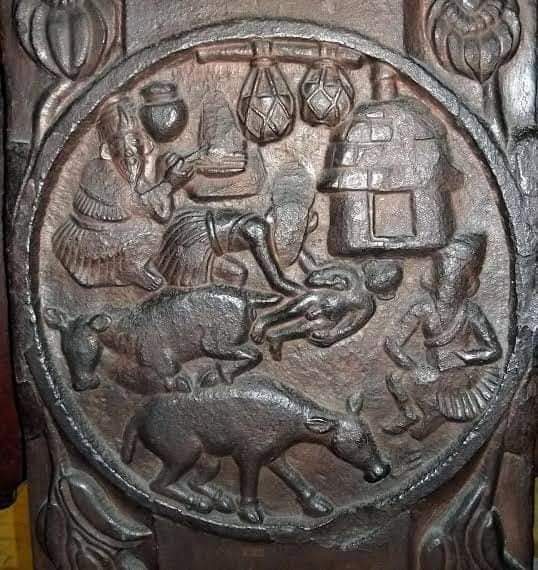
चित्र 1 – पशु चिकित्सालय
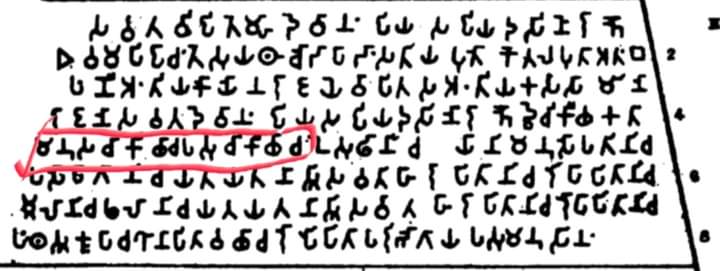
चित्र 2 – मनुस चिकीछा च पसु चिकीछा

गौतम बुद्ध का जमाना था। तब स्वतंत्र पशु – चिकित्सालय नहीं था।

तत्समय के मशहूर चिकित्सक जीवक थे। राजगीर में उनका चिकित्सालय था।

अब भरहुत स्तूप पर उकेरे गए जीवक के अस्पताल का दृश्य देखिए। ( चित्र 1)

चिकित्सालय में औषधियाँ सिकहर ( छींका ) पर टँगी हुई हैं। जीवक पेट का इलाज कर रहे हैं। संबंधित औषधियाँ सिलबट्टे से पीसी जा रही हैं।

चिकित्सालय में बीमार पशु भी हैं। कराहते बीमार पशुओं का अंकन बड़ा मार्मिक है।

फिर सम्राट अशोक का जमाना आया। सम्राट अशोक ने पशु चिकित्सालय को मनुष्यों के चिकित्सालय से अलग किए।

दूसरे शिलालेख में लिखवाए कि मनुष्य चिकित्सा और पशु चिकित्सा मैंने दो चिकित्साओं को अलग-अलग स्थापित किए।

लाल घेरे में प्राकृत भाषा और धम्म लिपि में लिखा है — मनुस चिकीछा च पसु चिकीछा। ( चित्र 2 )

भारत के इतिहास में स्वतंत्र पशु चिकित्सालय खोलने का श्रेय सम्राट अशोक को है।

Article by Rajendra Sinh

सिंधु संस्कृतीतील लहान मुलांचे खिलोने !

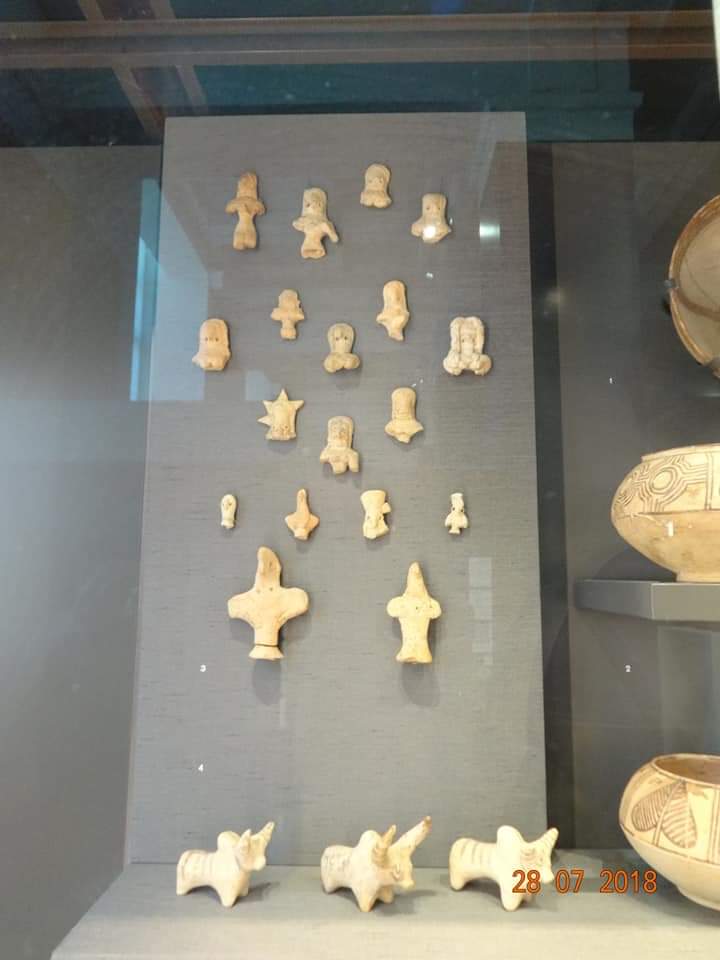
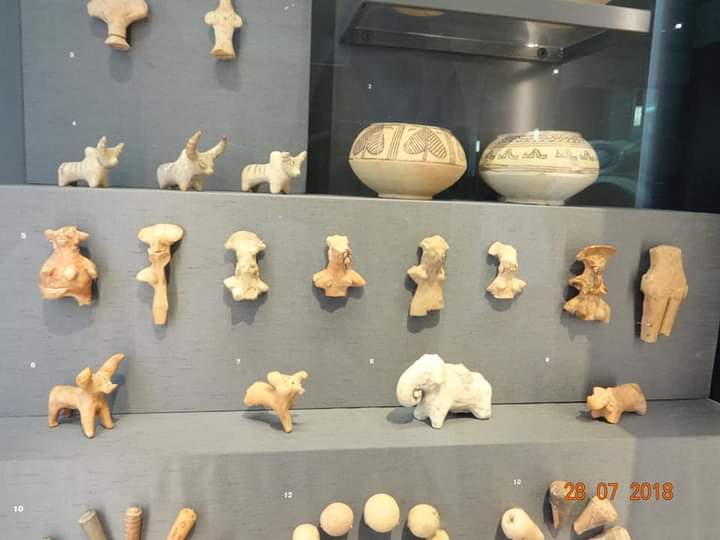
Sindh Sanskriti kids toys in British musium

सिंधु संस्कृतीतील लहान मुलांचे खिलोने !

ब्रिटीश म्युझियम लंडन मधील हे सिंधु संस्कृतीतील लहान मुलांचे खिलोने / खेळणे आहेत .

काळ कोणताही असो …..लहान मुलांच्या मनोरंजनासाठी खिलोने / खेळणे आवश्यकच आहे . आजच्या काळात लहान मुलांसाठी अनेक प्रकारचे मनोरंजनाचे खिलोने म्हणजेच ” toy ” आहेत .

अगदी त्याचप्रमाणे सिंधु संस्कृतीच्या काळात म्हणजेच आजपासुन दहा हजार वर्षापुर्वी सुध्दा अशी खेळणे होतीच .

हा फक्त सिंधु संस्कृतीतील लहान मुलांचे खेळणे मातीचे बनवुन ते भाजलेले आहेत .

या खेळण्यात बैल , हत्ती , गेंडा असे प्राणी आहेतच तसेच भाजलेल्या मातीच्या बाहुल्यां सुध्दा आहेत .

एवढया लहान आकारांचे खेळणे बनविण्याची अप्रतिम कला सिंधु संस्कृतीमध्ये होती .त्यावरुन सिंधु संस्कृतीतील ” कारागिर ” प्रत्येक कलेमध्ये प्राविण्य प्राप्त होते हेच सिध्द होते ! ! !

Article by – गोपीचंद कांबळे ” विद्यार्थी “

छद्दन्द जातककथा

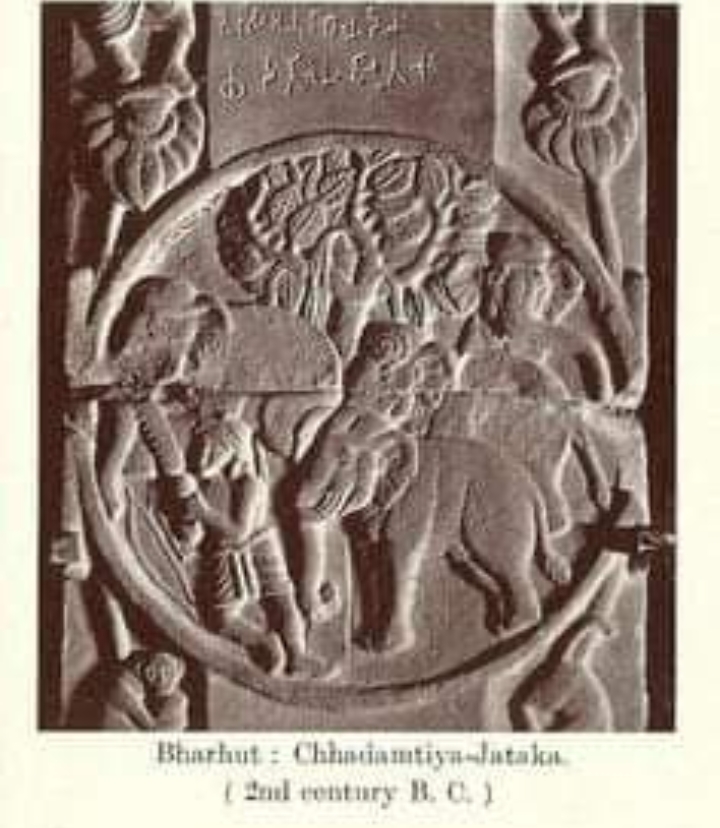
भरहुत स्तुपावर छद्दन्द जातककथेचे शिल्प आहे ..ही एक प्रसिध्द जातककथा असल्यामुळे ह्यावर अजिंठा लेणीतही खुप सुंदर चित्र निर्माण झालेले आहे ..
ह्या जातककथेतून गैरसमज – मत्सरातुन निर्माण झालेल्या द्वेशाचे परिणाम सर्व कुटुंबाला कसे हानीकारक असतात ..हे समाज मनावर ठसवण्यात आले आहे ..
जातककथेमध्ये पशू – पक्षी त्यांचे जीवन…, मृत्यु , पुनर्जन्म .., पुर्वजन्माच्या स्मृती दिसून येतात ..त्या बाबी कथाभाग म्हणून घ्यायच्या असतात …तो इतिहास म्हणून स्विकारायचा नसतो ..!
हिमालयात सफेद ( शुभ्र ) हत्तींचा एक कळप त्या कळपाचे नेता छद्दन्द हत्ती असतो ..त्याला दोन हत्तीणी राण्या असतात एक महासुभद्दा तर दुसरी चुल्लसुभद्दा असते ..त्यांची अनेक नातेवाईक त्या कळपात असतात ..त्यांचा नेता छद्दन्द हा असतो ..छद्दन्द नुसताच शुभ्र वर्णाचा असतो असे नसते तर त्याचे मुख सर्वात सुंदर तेजस्वी असते .,शिवाय त्याला सहा मजबुत दांत ( सूळे ) असतात ..
एके दिवशी हा कळप तळ्यात जलक्रिडेसाठी येतो ..मनसोक्त जलक्रीडा झाल्यावर तळ्याच्या काठांवरील शालवृक्षाच्या सावलीत कपळ विसावतो ..
शालवृक्ष हा फुलांनी डवरलेला असतो ..त्याफुलांचा सुगंध सर्वांना मोहीत करीत असतो ..
तेव्हढ्यात छद्दन्द हत्तीला एक कल्पना सुचते ..
त्याने वर सोंड करुन फुलांनी बहरलेली एक फांदी धरली आणी ते झाड गदगदा हलवीले ..
वाऱ्याच्या झोताममुळे सर्व फुली खाली पडली ती नेमकी महासुभद्दा राणीवरच पडली ..चुल्लसुभद्दा राणीवर वृक्षाची वाळलेली फांदी पडली ..हे पाहून चुल्लसुभद्दा राणीला गैरसमज झाला ..आणी तिचा मत्सर उफाळून आला ..ती रागाने कळप सोडून निघून गेली ..तीचा शोध घेतल्यावरही ती कुणालाच दिसली नाही ..रागाच्या बेफाम अवस्थेत तीचा पर्वतावरून कडेलोट झाला आणी ती गतप्राण झाली ..तीचा ताबडतोब पुनर्जन्म झाला ..ती एक सुंदर कन्या झाली ..कालांतराने ती एका राजाची राणी झाली ..पण तीला मागच्या जन्माची स्मृती कायम असते ..छद्दन्द हत्तीला अद्दल घडवावी म्हणून ती राजाला आपली इच्छा सांगते ..की , ” मला छद्दन्द हत्तीचे सूळे हवे आहेत ..त्या सुळ्यांच्या फणीनेच मला केस विंचरायचे आहेत ” !
राजाने सैनिकांना आदेश दिला ..
सैनिक जंगलात त्या कळपाच्या मागे लागले ..सर्व कळपाचा नाश होईल असे वाटून तो छद्दन्द हत्ती सैनिकांना बोलला ..” तुम्हाला काय हवे ते मला सांगा ..माझ्यामुळे माझ्या इतर नातेवाईक आणी प्रजेला विनाकारण त्रास होऊ नये ..अशी माझी इच्छा आहे ” !
” आम्हाला तुझे हस्तिदंत हवे आहेत “!
हे ऐकल्यावर छद्दन्द हत्तीने आपले सूळे स्वताःहून तोडून दिले ..
सैनिकांनी त्वरेने ते हस्तीदंत राजाला दिले ..आणी हास्तिदंत प्राप्तीची हकीकतही सांगितली ..ते ऐकुन राजाला नवल वाटले ..तो हत्ती विषयी विचार करू लागला ..नक्कीच हा हत्ती बोधिसत्व असावा असा विचार त्याच्या मनात निर्माण झाला ..
त्याला बघण्यासाठी तो त्वरेने जंगलात निघाला ..
इकडे छद्दन्द अती वेदनेने गतप्राण झाला होता ..हे समजून आल्यावर त्या राणीला पश्चाताप होतो आणी ती देखील गार्तेत पडून मृत्युमुखी पडते ..
मत्सर – द्वेश मनात ठेवल्यावर काय घडते ..याची जाणीव व्हावी म्हणून ही कथा निर्माण झालेली आहे ..

अनाथपिंडकाची दान पारमिता

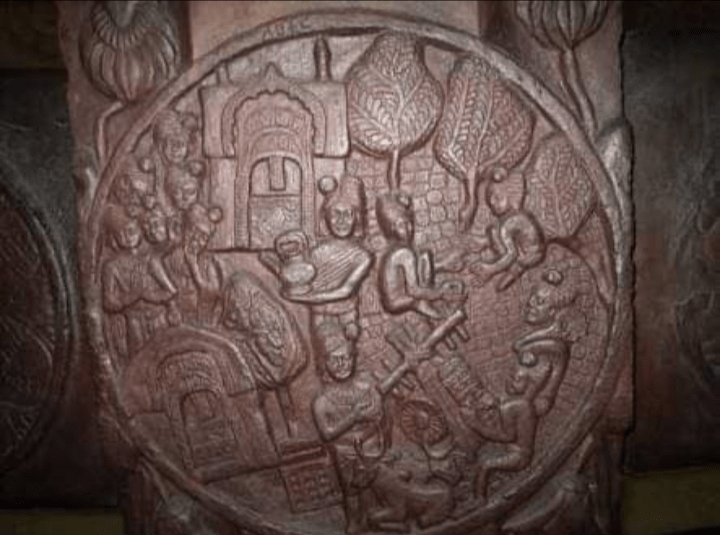
भरहूत स्तुपावर हा बुध्द चरित्रातील प्रसंग शिल्पामध्ये कोरलेला आहे …
सुदत्त नावाचा व्यापाऱ्यांचा प्रमुख असतो ..तो तत्कालीन राजांपेक्षा धनवान असतो ..तो गोर गरीबांना मोपत अन्नदान करीत असल्यामुळे तो ” अनाथपिंडक ” ह्या नावाने सुप्रसिध्द असतो ..त्याला एकदा जेत राजकूमाराचे वेळूवन आवडते .हे वेळूवन तथागत बुध्दांना दान म्हणून द्यावे ही कल्पना त्याचा मनात येते ..वेळूवन विकत द्यावे हा प्रस्ताव जेत राजकुमारासमोर ठेवतो ..पण हा प्रस्ताव फेटाळण्यात आला .अनाथपिंडक त्यानंतर नाराज न होता अधिकच आग्रही झाला ..सततच्या आग्रहाला कंटाळून जेत राजकुमार रागाने उद्गारला ..” वेळुवन सोन्याच्या मोहरांनी झांकून टाक ..जेव्हढी जमिन सोन्याच्या मोहऱ्यांनी झांकशील तेव्हढी वेळुवनाची जमिन तुझी होईल ” ..
अशी मागणी आपली पुर्ण होणारच नाही .असे जेत राजकुमाराला वाटत होते ..
पण बघतो ते काय ?
शेकडो बैलगाड्या वेळुवनात येत होत्या ..
हजारो नोकर सोन्याच्या मोहरा पसरवून वेळुवन झांकून टाकत होती ..दिवसभर हा क्रम चालू होता ..बैल व नौकर दमून गेलेत ..हे दृष्य पाहून जेत राजकुमार अवाक् होऊन बघत आहे ..एका नोकराने शेवटी जल शिंपण्यासाठी पाण्याचा कलश ( झारी ) आणलेली आहे. हातावर उदक ( जल) सोडल्या शिवाय दान पुर्ण होत नसते ..हा समज तत्कालीन समाजाचा होता ..ही प्रथा तत्कालीन बौध्द उपासक – उपासिकांची होती ..हे शिल्प त्याचा पुरावा आहे ..
हे शिल्प कोलकाता वस्तुसंग्राहलयात आजही पाहायला मिळते .

हत्ती स्फिंक्स /बुध्दगया —व्हिक्टोरिया अँन्ड अल्बर्ट म्युझियम लंडन

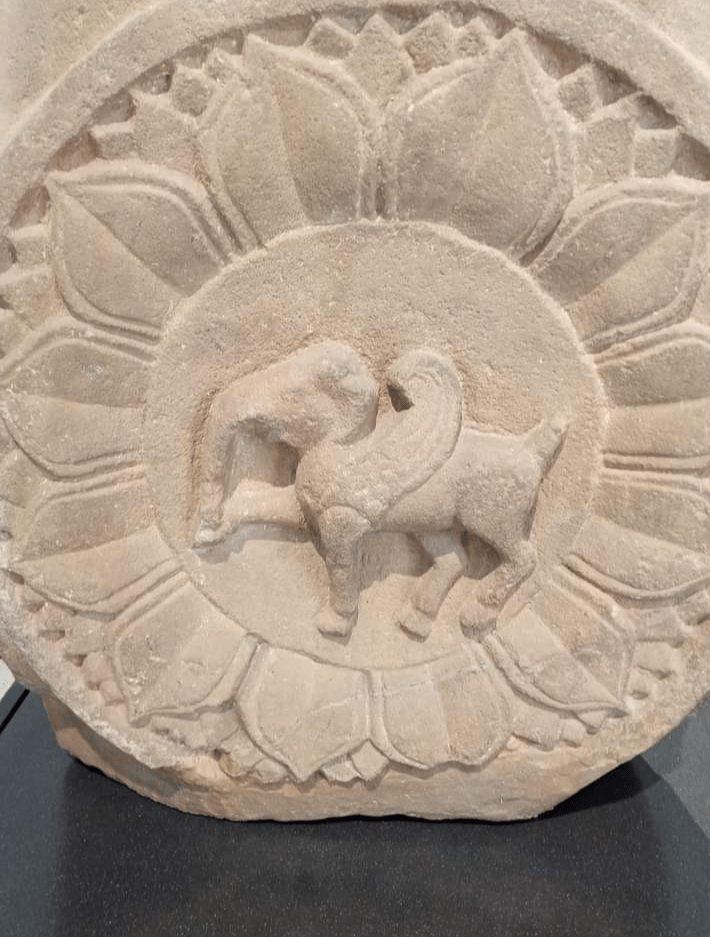
लंडन येथील व्हिक्टोरिया अँन्ड अल्बर्ट म्युझियम मध्ये भारतातील बुध्दिस्ट संस्कृतीचे प्रेरणास्थान असलेल्या ” बुध्दगया ” येथील उत्खननात आढळलेल्या पाषाणी स्तंभावरील हे ” हत्ती ” चे स्फिंक्स आहे …..

या स्तंभाचा काळ हा कुषाण काळ असुन इसवी सन एक ते शंभर आहे …..

प्राचीन बुध्दिस्ट संस्कृतीमध्ये प्राण्यांना पंख शिल्पकलेमध्ये दर्शविणे यावर ग्रिक शिल्पकलेच्या प्रभावातुन आले …

महाराष्टातील औरंगाबाद जिल्हयातील ” पितळखोरा ” हया बुध्दिस्ट लेणीमध्ये असे अनेक प्राण्यांचे स्फिंक्स दर्शविलेले आहेत …..

शिल्पकलेमध्ये प्राण्यांना पंख दर्शविले तर पुरातत्वीय भाषेत त्यांना मराठीत ” व्याल ” आणि इंग्रजी मध्ये ” स्फिंक्स ” असे म्हटल्या जाते …..

बुध्दगया येथील उत्खननामध्ये आढळलेल्या कुषाण काळातील हया हत्ती स्फिंकच्या सभोवताल आजच्या प्रमाणे कमळाची फोटो फ्रेमिंग प्राचीन शिल्पकलेमध्ये केलेली आहे …

शिल्पकलेमध्ये हत्तीची पोजिशन ही सिरीलंकेतील राष्टीय ध्वजावरील हत्ती सारखीच आपल्याला दिसुन येत आहे …

हत्ती आणि कमळ हे दोन्ही प्रतीके प्राचीन बुध्दिस्ट संस्कृतीमध्ये सिध्दार्थ गौतमांचे ” जन्म प्रतीक ” आहे ….!

गोपीचंद कांबळे, यवतमाळ

कुरूंगमृग जातक कथा

इसाप निती , पंचतंत्र कथांच्याही चारशे वर्ष अगोदर ” ” जातक कथांचे ” अस्तित्व आहे ..
जातक कथा देखील ह्या संस्कार कथाच आहेत ..
जातक कथामधून समाजाला मौल्यवान संदेश दिला जातो ,..
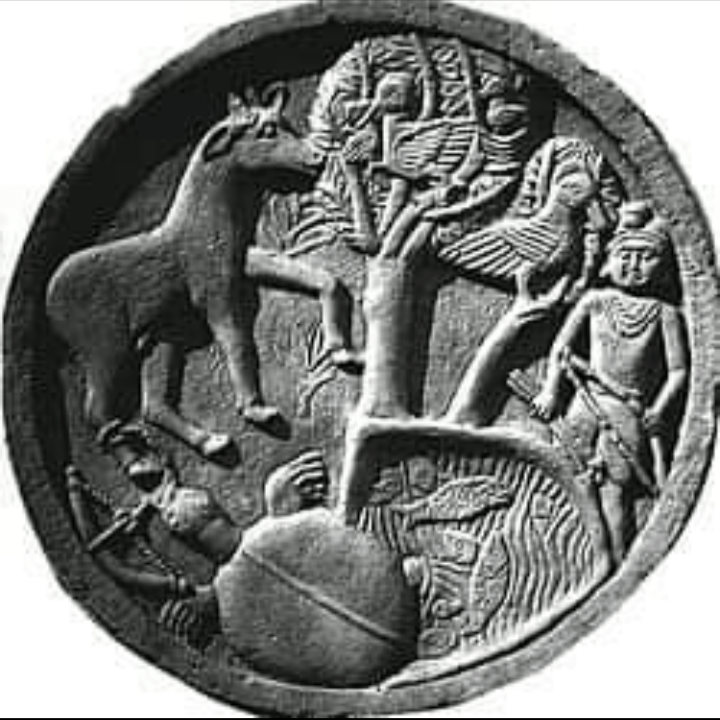
ही “कुरूंगमृग जातक ” कथा आहे,,ही भरहूत स्तुप सातना जिल्हा मध्यप्रदेश येथे होती ,.हल्ली हे शिल्प कोलकत्ता वस्तुसंग्राहालयात आहे ..
एका तळ्या काठावर एका उंच झाडावर शतपत्र पक्षी ( सारंग पक्षी) राहत असतो ..तळ्यातील जलचर त्याचे खाद्य असते ..पण त्याची मैत्री तळ्यातील एका कासवाशी असते ,.त्याच तळ्याच्या काठांवरील कोवळे मऊ हिरवे गवत खायला रोज एक कुरूंगमृग ( नर हरीण ) येत असते ..अगदी थोड्याच दिवसात सारंग पक्षी , कासव आणी हरीण असे तिघेही जिवलाग मित्र बनतात ..
एके दिवशी एक शिकारी तळ्याकाठावर फासाचे जाळे ठोकून ठेवतो ..आणी घरी निघून जातो ..
संध्याकाळी कुरूंग मृग पाणी पिण्यासाठी येतो ..तेंव्हा तो त्या फासात अडकून पडतो ..तो जोराजोरात ओरडतो ..धडपडतो ..
हे पाहून झाडावरील सारंगपक्षी जागा होतो ,,तो तळ्यातील कासवाला बोलावतो ..
कासव ते जाळे तोडण्याचे कार्य करू लागतो ..पण त्याचे दात प्रभावी नसतात एक एक दोर तोडायला त्याला खुप विलंब लागतो ..तो पर्यंत पहाट होण्याची चिन्हे दिसू लागतात ..ते पाहून सारंग पक्षी शिकाऱ्याच्या रस्त्यावर पुढे जाऊन बसतो ,.शिकारी घराबाहेर निघता बरोबर त्याचे कपाळावर चोंच मारून प्रहार करतो ..शिकाऱ्याला तो अपशकुन वाटतो ..तो घरात जाऊन दोन तास आराम करतो ..इकडे कासव सर्व दोर तोडतांना पार थकुन जातो ,.त्याचे दात रक्तबंबाळ होतात ..एक दोर तोडायचा बाकी असते ..शिकारी सकाळी सूर्य निघाल्यावर तळ्याकडे निघतो ..बघतो तर सारंग पक्षी त्याचे आसपास घिरट्या घालत असतोच ..त्याला न जुमानता तळ्याजवळ येतो ,.त्याला पाहाताच शेवटचा दोर कासव तोडायचा प्रयत्न करतो ,.आणी मृग देखील जोर लावून दोर तोडतो ..बघता बघता मृग पळून जंगलात दिसेनासा होतो ..
हारीण पळून गेल्याचे पाहून शिकारी नाराज होतो ..पण तिथेच रात्रभर मेहनत करणारे कासव गलितगात्र पडलेले पाहून त्याला आनंद होतो ,.आपल्या पिशवीत त्या कासवाला टाकून शिकारी परत निघतो ..
हे जेंव्हा कुरूंगमृगाला समजते ..तेंव्हा तो फार दुःखी होतो..
तो आणी सारंग पक्षी दुसरी युक्ती करतात ,.
कुरूंगमृग आत्ता दुडक्या लंगड्या चालीने चालत शिकाऱ्याला दिसते ..त्याला वाटते आत्ता हे हरीण जखमी व थकलेले आहे ,.आपणास हे सहज हाती लागेल ..म्हणून त्याने कासव असलेली पिशवी एका झाडावर अडकवतो आणी तो मृगाचे मागे लागतो ..
इकडे सारंग पक्षाने ती पिशवी उघडून कासवाला मुक्त केले ..हे पाहून कुरूंगमृग वायुवेगाने पसार होतो ..ते पाहून शिकारी पिशवीकडे येतो ,,बघतो ते काय ?
पिशवी रिकामी झालेली दिसते ..
जिवापाड मैत्री जपली पाहिजे ,.एकमेकांना मदत केल्याने सर्वाचे प्राण वाचतात ..” एकमेका साह्य करू अवघे धरु सुपंथ “
हाच संदेश ह्या जातककथेत दिलेला आहे. महेंद्र शेगावकर

कुरूंगमृग जातक कथा, भरहूत स्तुप
Continue reading “कुरूंगमृग जातक कथा”

Compassion

An Appropriate Response

When we practice compassion, we embody an impossible vow. 

The bodhisattva vow describes, to some extent, a reality that we know is not possible—a cessation of all of the suffering in this world. At the same time, the vow affirms its own unachievability. We know it’s not possible to alleviate all of the distress and affliction in this world, but we act as if it is possible to do so. These vows reflect the two primary orientations of compassion: the receptive aspect that is willing to listen to the cries of suffering of the world and the outward-turning aspect that is willing to engage with the world to alleviate that suffering. 

Compassion is a broad-spectrum word: it includes meanings of patience, forbearance, tolerance, resilience, empathy, courage, and dedication. The Pali term for compassion is actually two words: anukampa karunaAnukampaliterally means “to tremble with.” This meaning points to the empathic dimension of compassion that resonates with and is touched by the suffering of another, as well as to the quivering of the heart in the face of suffering. The other and perhaps more familiar word, karuna, derives from the Sanskrit root meaning “to do or to make” or, in one version, “to turn outward.” Karuna captures the dimension of compassion that responds to the situation and seeks to alleviate suffering through action. There’s a dynamic relationship between these two aspects of compassion, because our engagement in the world must be attuned to the situation, which requires us to be present and listen deeply. 

The Relevance of Dr Babasaheb Ambedkar – Today and Tomorrow

Why are Dr Ambedkar’s ideas so important to understanding the lives of the oppressed today; not just in India but globally? First, Dr Ambedkar was determined to address social reality as it is not just how we’d like it to be; second, he took the perspective of those at the bottom who are oppressed; and third, Dr Ambedkar insisted that the conditions of the poor were the result not of individual disappointments but of the working of the social system under which they lived. Ultimately the question Dr Ambedkar asks of the downtrodden is not ‘Who are we?’, ‘What is our identity?’ but ‘how are we treated?’; and ‘why?’ And so he tells the world that his people are named as Dalit – the downtrodden, the broken

I’ve learned two further and important things that follow from Dr Ambedkar’s thought here:

First, he does not separate social inequality from economic inequality, or caste from class. Indeed, Dr Ambedkar was the only person in his time to link the rights of the oppressed classes and the right of Dalits.

Secondly, the oppression of caste cannot be treated as a religious matter separate from society and economy. It is well known how critical Dr Ambedkar was of the Hindu scriptural sanction of caste and varna, but he rejected the idea that untouchability was just a cultural or religious matter.[…] The solution to discrimination lay not in religious reform but in legal rights and state intervention on behalf of the downtrodden. In this sense Dr Ambedkar removed the issue of rights from the realm of Hindu religion. The discrimination he fought against was a violation of civic and human rights in any community, any religion, region or country.

Addressing the needs the marginalised is a commitment of the international Sustainable Development Goals to ‘end poverty in all its forms’, to reduce inequality of opportunity, to provide decent work for all, ending modern forms of slavery and discrimination. I have noted three ways in which Dr Ambedkar can lead the approach to this global challenge: First, policy makers need squarely to face the social realities of continuing inequality, discrimination and marginalisation of certain groups in society, especially on the basis of caste; second, they need to listen to the experience of these groups themselves, and make their concerns part of national priorities; and third, policymakers need to understand that the conditions of the marginalised and exploited are not the result of their individual capacities but the working of social systems that allow discrimination and exclusion of certain categories of people. Dr Ambedkar points to caste as one such system, not only in India but internationally.

The Science of the Mind

Matthieu Ricard is a member of the Mind and Life Institute, an organization that advances the collaboration between modern science and Buddhism. He is a participant, both as a subject and as a collaborator, in research programs on the effects of meditation and mind training on the brain. He shares some thoughts on the topic:

Is it possible for us to develop the mind to function more constructively; can we change obsession into contentment, agitation into peace, hatred into compassion? Twenty years ago, among neuroscientists there was a quasi-dogma that stated that all the brain’s neurons were present at birth and that their number will not be modified by the experiences of life. Today, however, neuroscientists think in terms of ‟neuroplasticity,” meaning that the brain is continuously evolving as a function of our experiences and can produce new neurons throughout our whole life. In particular, specific training, such as learning to play an instrument or a sport, can profoundly change the brain. This implies that attention, compassion, and even happiness can also be cultivated and depend, for a large part, on a skill that can be acquired.

Acquiring a new skill always involves training. We cannot expect to learn to play tennis or to play the piano well without first practicing for a long time. If we dedicate a certain amount of time each day to cultivating compassion or any other positive quality, we are likely to attain results, just like when we train the body. In Buddhism, ‘to meditate’ means ‘to become familiar with’ or ‘to cultivate.’ Meditation consists of familiarizing ourselves with a new way of being, of managing our thoughts and the way we perceive the world. Through the recent advances in neuroscience it is now possible to evaluate these methods and to verify their impact on the brain and body.

The new research indicates that the brain activity of subjects meditating on compassion is particularly elevated in the left prefrontal lobe, a region of the brain associated with positive emotions. So compassion, the concern for the wellbeing of others, is related to other positive emotions, such as joy and enthusiasm. Moreover, the parts of the brain involved in planning movement and in feeling maternal love are also strongly stimulated by this meditation. This does not come as a surprise to contemplatives since, in their experience, compassion brings about an attitude of complete receptiveness that can easily transform into action.

We are on the threshold of fascinating discoveries that should prove it is possible to transform the mind in a more significant way than psychologists had previously imagined. In this way, meditation will gain the recognition and respect in the West that it has had in the East for thousands of years.